
New Beginnings Concrete provides concrete installation for homeowners, builders, and commercial property owners in Dacula, GA. From replacing an aging driveway to preparing a site for a new structure, each project requires a plan that accounts for the property’s layout, ground conditions, and intended use. Around Dacula, properties range from established homes near the historic downtown district to newer developments and commercial sites along University Parkway (SR 316). We assess the work involved and help property owners plan concrete installations that fit their specific site and construction needs.
Foundation Work for New Construction – A solid foundation requires careful planning for soil conditions, drainage, and structural demands. We coordinate concrete placement with your build specifications and site preparation to support additions and new construction.
Walkways That Connect Your Property – Safe, well-graded paths keep foot traffic moving smoothly between entrances and parking areas. We install concrete walkways tailored to your property layout, slope changes, and drainage needs.
Concrete Paving for Larger Areas – Large-scale surfaces demand precise grading, efficient water runoff, and load planning. Our concrete paving work delivers durable, continuous coverage engineered for heavy vehicle movement and regular access.
Parking Areas for Businesses and Developments – Keep commercial properties functional and accessible. In Dacula, we build parking lots planned around expected traffic volume, grade transitions, and clear pedestrian connections to every building entrance.
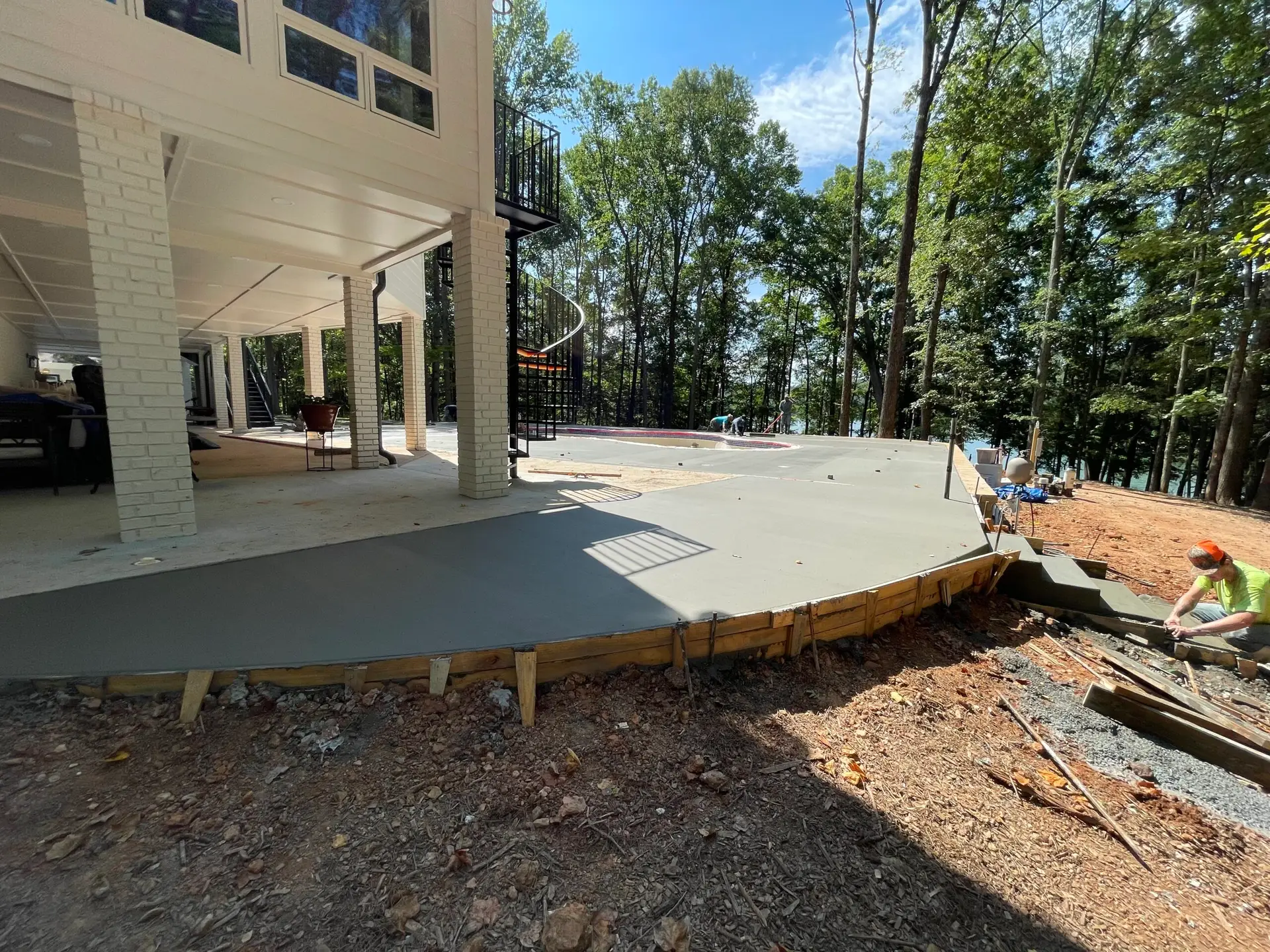
Whether you’re building a new structure, improving access around your property, or adding paved space for a business, New Beginnings Concrete can help you plan the work. We’ll discuss your needs, review the project requirements, and provide an estimate based on the scope of installation. Contact us today to request your free estimate in Dacula, GA.
Account for the Ground Beneath the Surface
Soil and base conditions can affect how a concrete installation performs. Uneven ground, loose material, or inadequate preparation may contribute to settling and cracking. Before pouring, we consider the site's condition and the preparation needed for the planned surface. This is important for everything from a walkway near a home's entrance to a larger paved area serving a commercial property.
Coordinate Concrete With Other Construction Work
Concrete installation is often one stage of a larger project. Foundations must be poured before framing, while paving and walkways rely on prior site preparation. We review schedules and work areas with the property owner or contractor before pouring. Establishing a clear timeline prevents trade conflicts and keeps new concrete safe from ongoing construction damage.
Plan Water Runoff Before Installation
Rainwater should drain away from buildings and concrete surfaces rather than collect along edges or low spots. The property's slope, nearby structures, and existing drainage patterns influence the installation layout. For sites around Dacula, we consider these factors during planning so the proposed surface works with the surrounding property instead of creating avoidable drainage issues.
Match the Surface to Its Intended Use
A pedestrian path, foundation, and parking area serve very different purposes. Their design and installation must reflect expected loads, intended traffic, and specific engineering needs. We evaluate these factors when defining project scope. For properties near Dacula Road or downtown, local site conditions matter far more than applying a generic installation approach to every job.

We start by clarifying the installation’s purpose, reviewing available space, and assessing site conditions that impact the work. For foundations, walkways, or parking areas, plans and intended use guide the preparation needed. We also coordinate site access and timelines with other contractors so concrete work fits smoothly into the overall construction schedule.
Once the scope is established, we prepare the area according to project requirements. This often includes clearing, grading, subbase compaction, and formwork to set final dimensions. Sites with drainage issues or steep elevations require extra attention. Proper prep depends on existing conditions, so we address every detail before placing concrete.

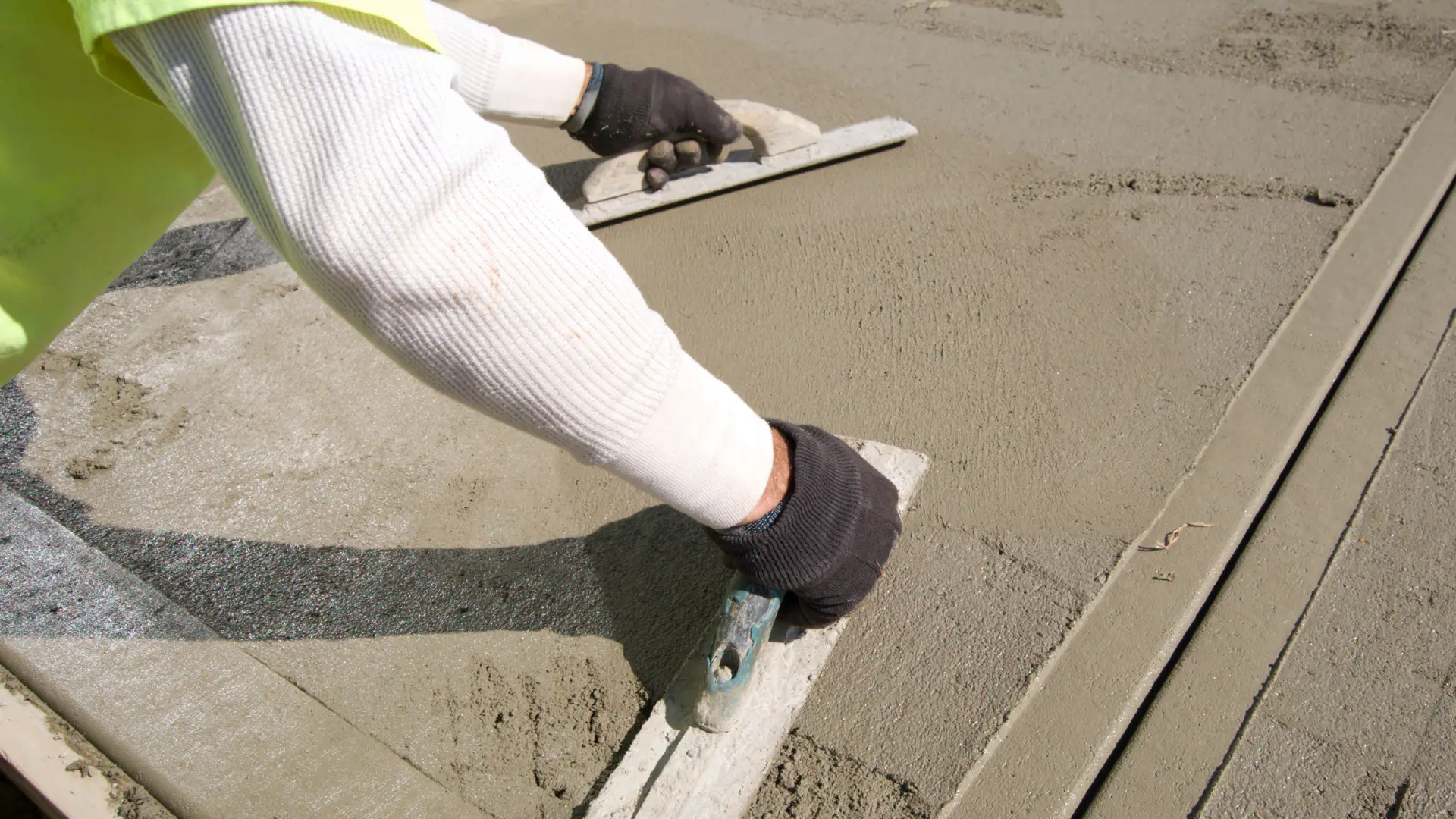
With the site ready, we place and finish the concrete for its intended purpose. The process varies by installation, since a walkway, parking area, and structural slab have different requirements. After finishing, the concrete needs appropriate curing time before it can handle regular use. We'll discuss the expected timeline and precautions for protecting the new surface during this stage.
Requirements depend on the property’s location and the type of work. The City of Dacula has development regulations covering grading, stormwater drainage, driveways, and parking areas. Work within the city limits may require approvals beyond a standard building permit, depending on the project. Before changing access, grading a site, or adding a larger paved area, check with the city’s Planning and Development Department to confirm which requirements apply. Properties outside the city limits may fall under a different jurisdiction.
Before replacing a driveway, consider its slope, connection to the road, drainage, and the condition of the existing base. If the driveway has settled or water collects along its edges, review those issues before installing new concrete. Available space and how vehicles enter and leave the property can also affect the layout. If you’re changing the driveway’s width or connection to the road, check whether additional local approval is required before construction begins.
Yes. Concrete installation often needs to fit into the wider construction schedule. Foundation work may need to happen before framing, while walkways and other exterior concrete may be better completed later to avoid damage from construction equipment. Builders should confirm the required dimensions, elevations, and project specifications before pouring. If you’re planning a new home or addition in Dacula, discussing the concrete scope early can help coordinate site preparation and reduce conflicts with other trades.
Uneven walkways can develop when the supporting soil moves, the base was not prepared properly, or water affects the ground beneath the surface. Tree roots and drainage changes can also cause movement over time. The cause matters because simply patching a raised or sunken area may not address the underlying issue. We recommend assessing the affected section and the surrounding ground before deciding on a repair or replacement. Our Concrete Sidewalk Contractor work may be relevant when a walkway needs more extensive attention.
Concrete can suit commercial parking areas, but the installation must match the site’s traffic, expected vehicle loads, drainage, and layout. The design should account for entrances, pedestrian routes, and vehicle flow through the property. Project specifications may also set requirements for the concrete and supporting base. For a Dacula business or development, defining these details before installation helps establish scope and coordinate with other site improvements.
Possibly, but we need to evaluate the site’s slope before choosing a layout. Depending on the project, the work may require grading, a carefully prepared base, or additional measures to manage changes in elevation and water flow. The right approach will differ for a patio, walkway, driveway, or structural slab. Don’t assume the same preparation will work for every surface. Reviewing the property can help determine what is practical and what site work may be needed first.
Clear the planned work area of personal items, furniture, vehicles, and anything that could interfere with access. If the project is near a garage or entrance, arrange alternative access if the installation will temporarily block it. Let the contractor know about known drainage problems, buried utilities, or other site issues before work begins. For larger projects, make sure any required plans and approvals have been addressed. Preparation depends on the installation, so confirm the details with your contractor before the scheduled date.
The curing period depends on the concrete mix, weather, installation type, and expected load. A pedestrian walkway and a vehicle surface do not have the same usage requirements. Concrete may look dry before it has developed enough strength for heavier traffic. Follow the contractor’s instructions on when the area can be used, and avoid placing heavy equipment or vehicles on it too soon. For commercial or structural applications, follow the project specifications rather than relying on a general timeline.