
New Beginnings Concrete provides residential and commercial concrete installation in Flowery Branch, GA. Whether you’re replacing a worn driveway, adding a patio, or preparing a property for a construction project, the work needs to fit the site and how you plan to use it. Properties near historic downtown Flowery Branch may have different access needs than homes along Spout Springs Road or commercial sites near Atlanta Highway (SR 13). We review the project requirements, ground conditions, and drainage needs to plan concrete work suited to your property.
Driveways Designed Around Your Property: Built for vehicle traffic, seamless road connections, and reliable access. We pour new and replacement driveways tailored to your Flowery Branch property’s slope, space, and soil conditions. Discover how our concrete driveway services create durable entrances fit for everyday use.
Retaining Walls for Sloped Yards: Maximize usable space across uneven ground. A retaining wall controls slopes for better access, landscaping, and drainage. We design each wall around your yard’s height changes and soil conditions rather than using a generic approach.
Concrete Floors for Garages and Workspaces: Durable surfaces engineered for garages, workshops, and commercial storage. We prepare stable bases suited to heavy loads and routine use. For high-performance finishes, explore our epoxy floor installation options tailored to your facility.
Patios for Outdoor Living: A custom concrete patio expands functional outdoor space for dining and relaxation. For homes in Flowery Branch, we plan placement, dimensions, and slope around your yard’s grade, home access, and runoff patterns before pouring.
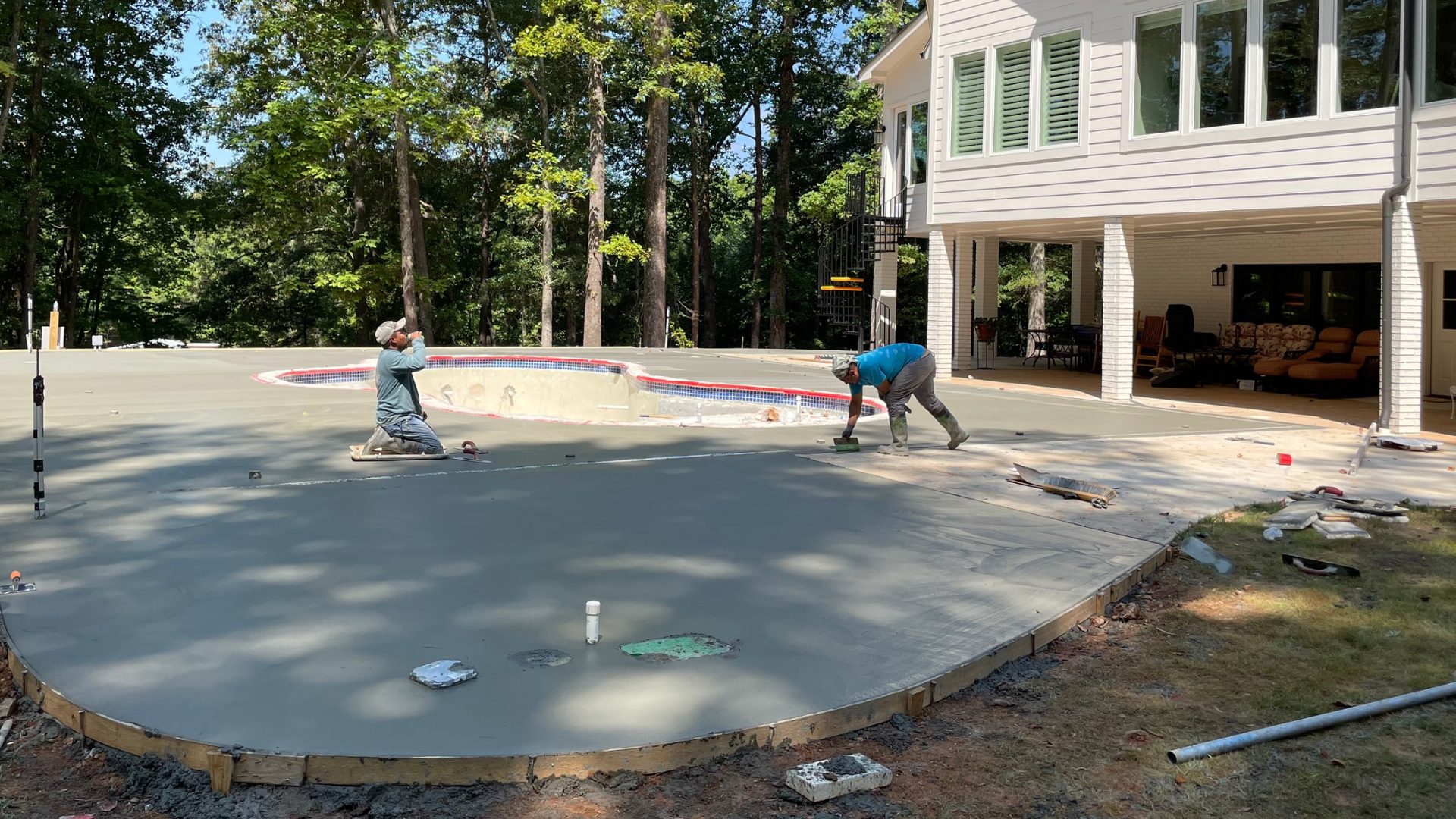
From a driveway replacement to a new patio or garage floor, New Beginnings Concrete can help you plan the work around your property’s needs. We’ll discuss the installation, review the site requirements, and provide an estimate based on the project scope. Contact us today to request your free estimate in Flowery Branch, GA.
Work With the Existing Landscape
Trees, garden beds, slopes, and existing structures can affect where you can install concrete. A patio may need to connect with an existing doorway, while a driveway replacement must fit the property's entrance and surrounding grade. Reviewing these conditions before work begins helps establish a workable layout and identify areas that may need additional preparation.
Account for Access Near Existing Roads
Properties near Main Street, Atlanta Highway, and other established roads may have different access constraints depending on the work area. Consider driveway placement, equipment access, and the connection between the property and the road before scheduling an installation. If a project changes a driveway connection or affects public access, check with the appropriate local authority about any applicable requirements.
Keep Runoff Away From Buildings
Heavy rain can expose drainage problems around driveways, patios, and other paved areas. Water may collect in low spots or flow toward a building if the ground is not properly planned. We consider property slope and existing water flow when preparing for outdoor concrete work. This is especially important for sites where new installation connects with existing pavement or landscaping.
Choose Concrete Based on How You'll Use It
Garage floor requirements differ from those for a patio, driveway, or retaining wall. Expected traffic, loads, exposure to the weather, and the desired finish all influence the installation. We discuss the intended use before defining the project scope to ensure the preparation and finishing choices suit the job. This is particularly important when concrete is part of a larger renovation or new construction project.

We start by inspecting the project area and discussing how you plan to use it. A driveway replacement, garage floor, or retaining wall each requires a distinct approach. We evaluate site access, elevation changes, surrounding surfaces, and overall scope to determine necessary prep work. For multi-phase renovations, we also align the concrete installation with your broader construction schedule.

The next step is preparing the site for installation. Depending on the project, this can include removing old concrete, clearing, grading, subbase compaction, or setting forms. If the site slopes or has drainage issues, we address those factors before pouring. Preparation varies by property, so we tailor our approach to actual site conditions rather than using a one-size-fits-all plan.

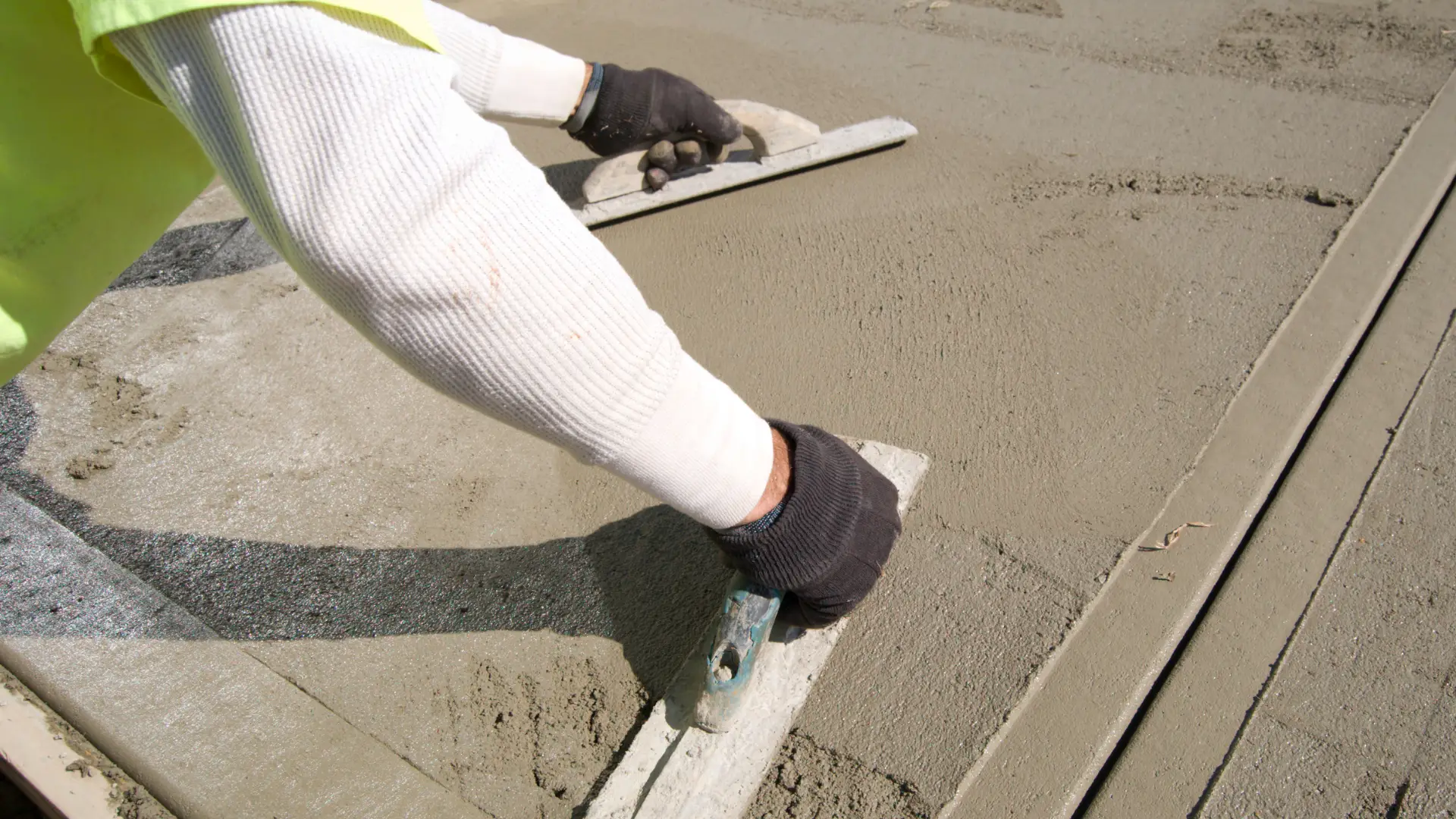
Once the area is ready, we place and finish the concrete according to the project's requirements. The finishing method depends on the surface and its intended use, whether it's a driveway, patio, floor, or another installation. After we place the concrete, it needs time to cure. We'll explain the expected timeline and any restrictions on foot traffic, vehicles, or heavy loads while the surface gains strength.
You may need a permit if your project changes the connection between your driveway and a public or private road. The City of Flowery Branch’s access and driveway regulations address changes to curb cuts, medians, and driveway connections. Additional requirements may apply when the property connects to a state highway or falls under another jurisdiction. Before widening a driveway or changing its entrance, confirm the requirements with the appropriate city, county, or state office. Checking first can help prevent delays after you plan the concrete work.
Start by assessing the height of the slope, soil conditions, drainage, and how the wall will affect the surrounding yard. Plan for the pressure from the soil behind it, and taller walls may require engineering or additional approvals. Flowery Branch also has development rules that address steep slopes and grading. If your property has a significant change in elevation, check the applicable requirements before excavation begins. Determine the wall’s location and height based on the actual site, not appearance alone.
In many cases, you can replace the floor while the rest of the garage stays in place. The work depends on the slab’s condition, thickness, access, and whether the supporting base has issues. Before replacement, consider how the old concrete will be removed, where equipment can enter, and whether stored items need to be relocated. If the floor has settled or developed extensive cracks, identify the cause before pouring a new slab. The replacement should also account for the garage entrance and the transition to the driveway.
Standing water after rain, water running toward the house, or repeated pooling along the patio edges can indicate a drainage issue. The cause may be the patio’s slope, the surrounding soil, nearby downspouts, or how the surface connects to existing landscaping. Look at where the water collects and whether the problem happens after most storms or only during heavy rainfall. Before adding more concrete or applying a surface treatment, determine why the water is staying in that area. Correcting the underlying issue may be more effective than treating the visible symptoms.
The cost depends on the wall’s dimensions, excavation volume, soil conditions, drainage requirements, material access, and any engineering or permitting needs. A short wall on a straightforward site can involve very different work from a taller wall on a steep slope. Removing existing structures or managing difficult access may also affect the estimate. For properties in Flowery Branch, the slope and layout should be reviewed before the project is priced. A clear scope helps identify which preparation and construction steps are needed.
Yes, but the layout needs to account for tree roots, planting beds, and the space available for the new surface. Cutting major roots or placing concrete too close to a tree can harm the tree and affect the concrete over time. The best approach depends on the tree’s location, the type of installation, and the available space. If you’re adding a patio or walkway to an established yard, plan the layout before excavation, so the work can account for existing landscaping.
A sinking driveway can indicate movement in the soil or base beneath the surface. Water runoff, poorly compacted fill, or erosion may cause it. Watch where the sinking occurs, whether cracks are forming, and whether water collects in the affected area. Simply covering the low spot may not solve the underlying issue. Our Concrete Repair work may be worth discussing if your driveway has settled or developed uneven sections. The repair approach should depend on the cause and the condition of the existing concrete.
Rain, heat, and cold can all affect concrete placement and curing. Rain during a pour can damage the finish, while hot conditions may cause moisture to evaporate too quickly. Cooler temperatures can slow curing. Because Flowery Branch experiences seasonal weather changes, the installation schedule should account for the forecast and site conditions. A contractor may need to adjust the timing or take precautions based on the weather. After installation, follow the recommended curing instructions and avoid using the surface before it is ready.